
Understanding Age Related Macular Degeneration
Age-related macular degeneration (AMD) is a common eye condition that affects the macula, the central part of the retina responsible for sharp, detailed vision.
What is Age Related Macular Degeneration?
As we age, changes can occur within the macula that make central vision less clear. This may lead to difficulty with activities such as reading, recognising faces, or driving.
AMD can lead to serious visual impairment, but it rarely ends in total blindness. The condition tends to develop gradually with only some aspects of vision being affected. Peripheral vision typically remains unaffected, but a loss in detail when looking directly at an object can be an early sign of AMD.
Cause of Age Related Macular Degeneration
Symptoms of AMD may include:
- Blurred or reduced central vision
- Difficulty reading or seeing fine detail
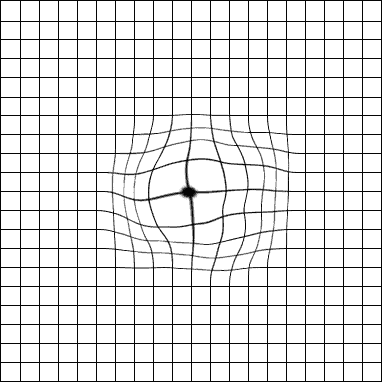
- Distortion of straight lines, such as doorframes or tiles appearing bent or wavy
- Dark or empty areas in the centre of vision
- Increased difficulty seeing in low light
Age is the biggest risk factor for AMD. Other important risk factors include:
- A family history of macular degeneration
- Smoking
- High blood pressure and cardiovascular disease
- Poor diet and excessive UV exposure
Smoking is one of the strongest modifiable risk factors for AMD, and quitting smoking can significantly reduce the risk of progression.
There are different types of AMD. Some forms progress slowly and require regular monitoring, while others may require urgent treatment such as injections to help preserve vision. Early detection is extremely important.
Treatment and How We Can Help
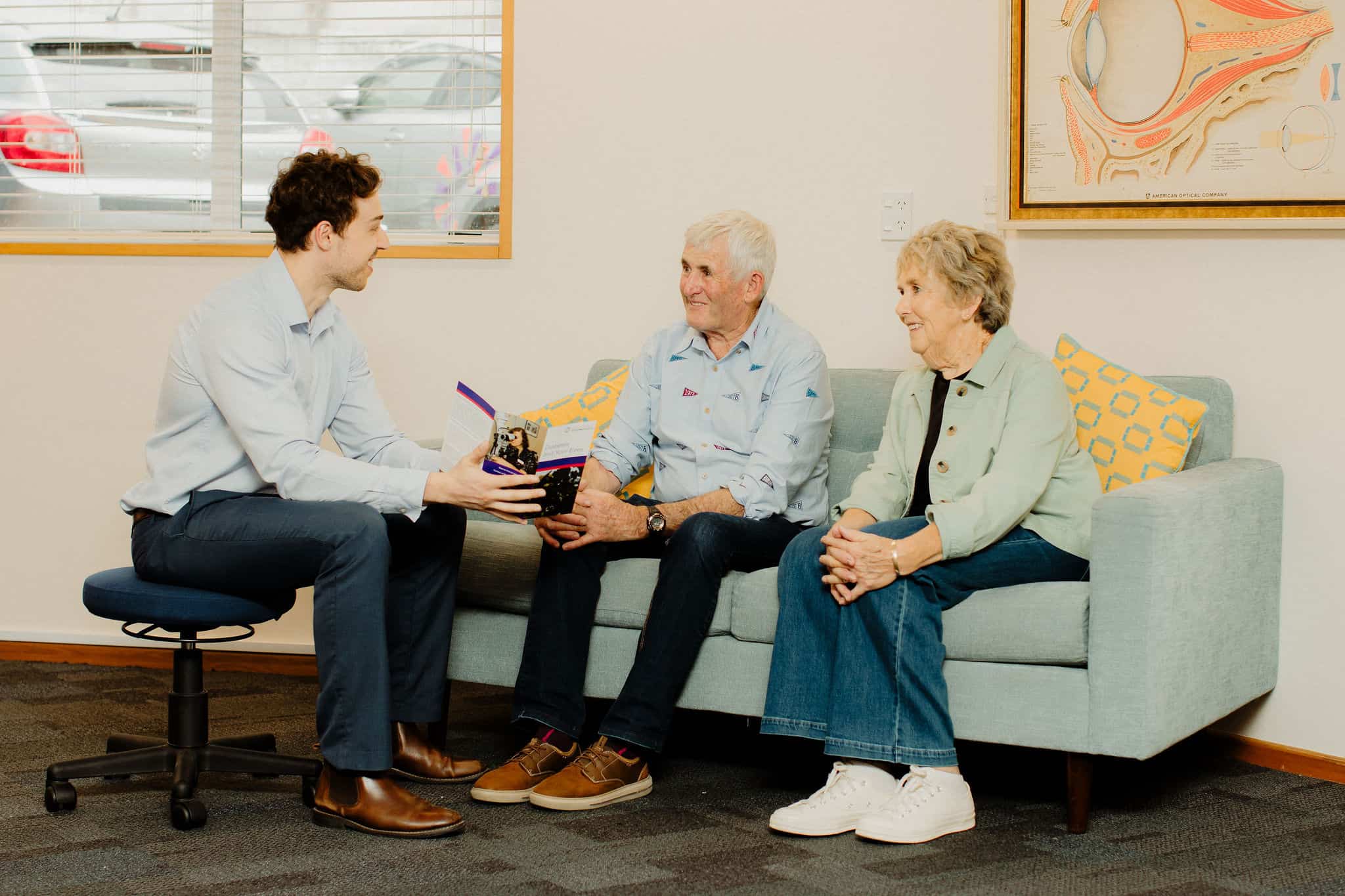
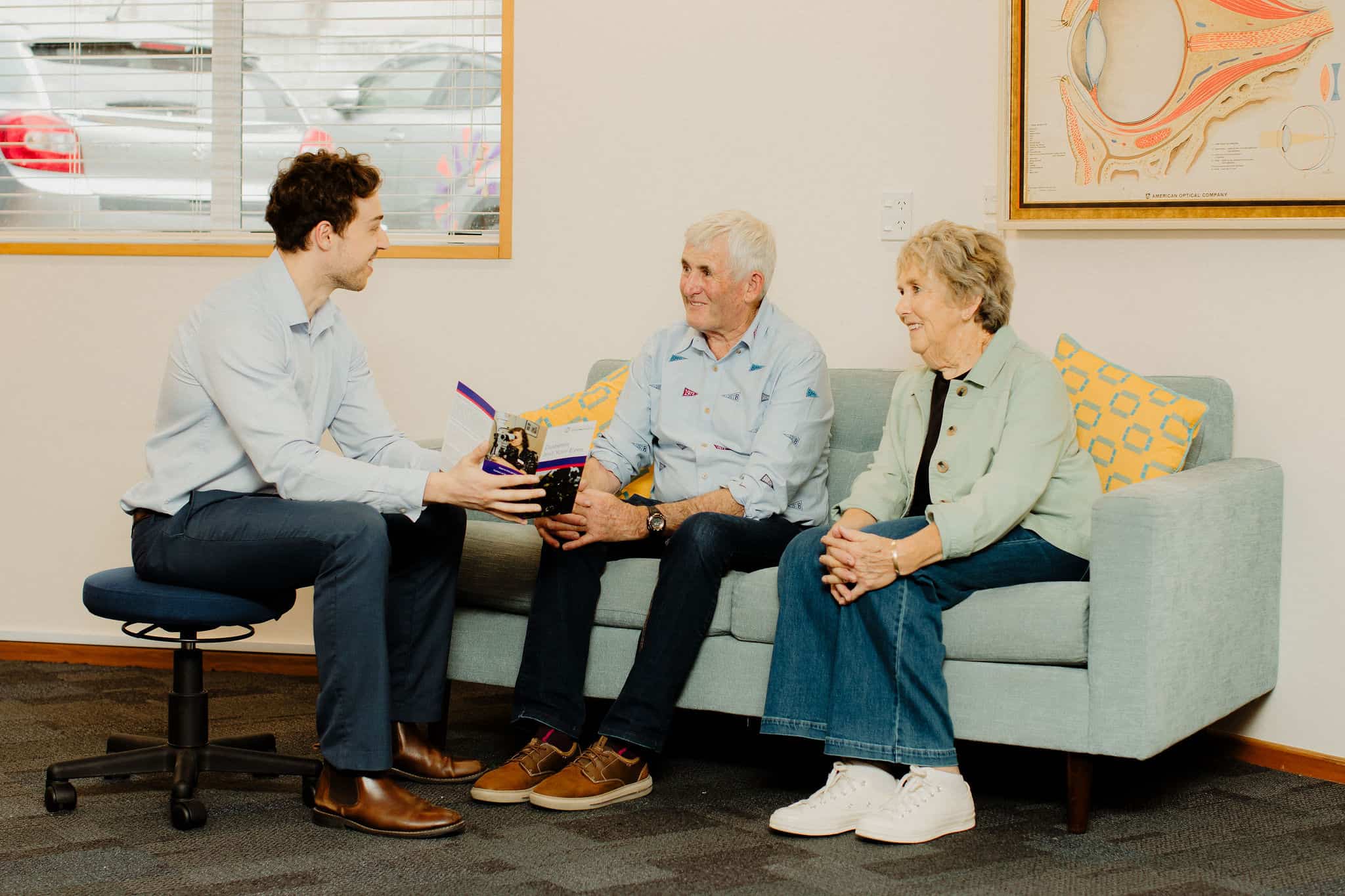
If our optometrists detect signs of macular degeneration or believe you may be at risk, they may recommend an OCT scan. OCT (Optical Coherence Tomography) is a quick, non-invasive scan that provides detailed cross-sectional images of the retina, helping with the early detection and monitoring of macular disease.
Certain nutritional supplements containing lutein and zeaxanthin may also be beneficial for some patients. Your optometrist can advise whether these supplements may be appropriate for you and provide some recommendations.
Suggestions:
- Regular eye examinations will help you make the most of your vision
- Continue to enjoy reading and the like – avoiding close work will not “save” your eyes
- Have good lighting when doing close work
- When outdoors, wear a hat with a brim to reduce unwanted glare
- Sunglasses with polarised lenses will be very helpful in very bright light
- Ensure you have an adequate diet with plenty of fresh fruit and vegetables