
Understanding Dry Eyes
Dry Eye Syndrome is caused by a chronic lack of sufficient lubrication and moisture on the surface of the eye.
What is Dry Eye Syndrome?
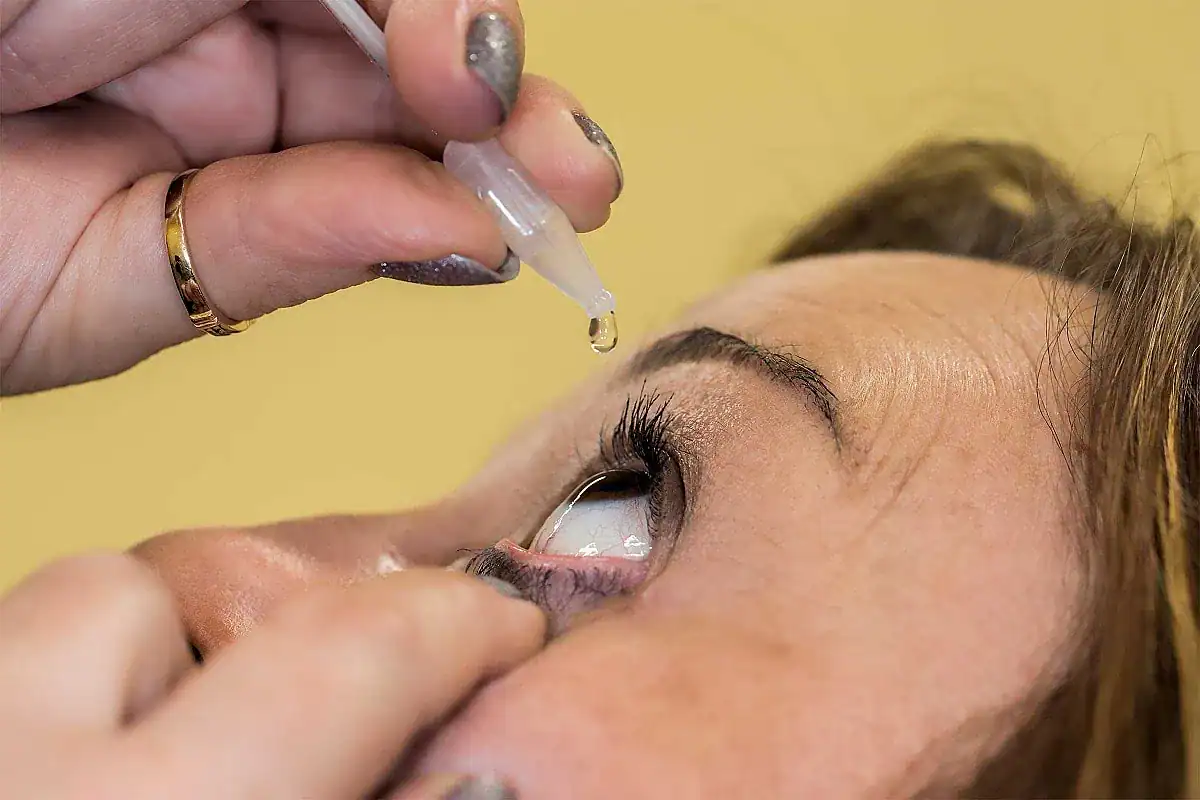
Dry Eye Syndrome is caused by a chronic lack of sufficient lubrication and moisture on the surface of the eye. The consequences of dry eye range from subtle but persistent irritation to significant inflammation and even scarring of the front surface of the eye.
What Causes Dry Eye Syndrome?
Dry eye can occur when you are unable to produce enough tears, or when the tears you produce are of poor quality and evaporate too quickly.
Common Causes of Dry Eye Include:
- Ageing
- Certain medical conditions including: diabetes, rheumatoid arthritis, lupus, scleroderma, Sjogren’s syndrome, thyroid disorders, and vitamin A deficiency
- Certain medications including antihistamines, decongestants, hormone replacement therapy, antidepressants, and medications used for high blood pressure, acne, birth control, and Parkinson’s disease
- Laser eye surgery (although symptoms are usually temporary)
- Tear gland damage caused by inflammation or radiation
Dry Eye Symptoms:
- Burning sensation
- Itchy eyes
- Aching sensations
- Heavy eyes
- Tired or fatigued eyes
- Watery eyes
- Sore eyes
- Dryness
- Red eyes
- Photophobia (light sensitivity)
- Blurred or fluctuating vision
Dry Eye Examinations
Dry, irritated eyes can affect your comfort, vision, and quality of life. If your eyes often feel gritty, watery, tired, or sore, a dry eye assessment can help identify the underlying cause and guide the most effective treatment.
At Canon Street Optometrists, we use a variety of diagnostic tools to assess your tear film, meibomian glands, eyelids and the surface of your eyes. This allows us to determine the type and severity of your dry eyes and develop a tailored treatment plan.
During your examination, we may assess:
- Tear film quality and stability
- Meibomian gland (Oil Gland) function
- Eyelid health and inflammation
- Damage to the ocular surface
- Other conditions that may be contributing to your symptoms
- Eligibility for funding
Following your examination, we’ll explain our findings and discuss the most appropriate treatment options and any ongoing management.
If you or someone you know is suffering from dry eyes, please get in touch with our practice to find out how we can help!
Why measure tear break-up time?
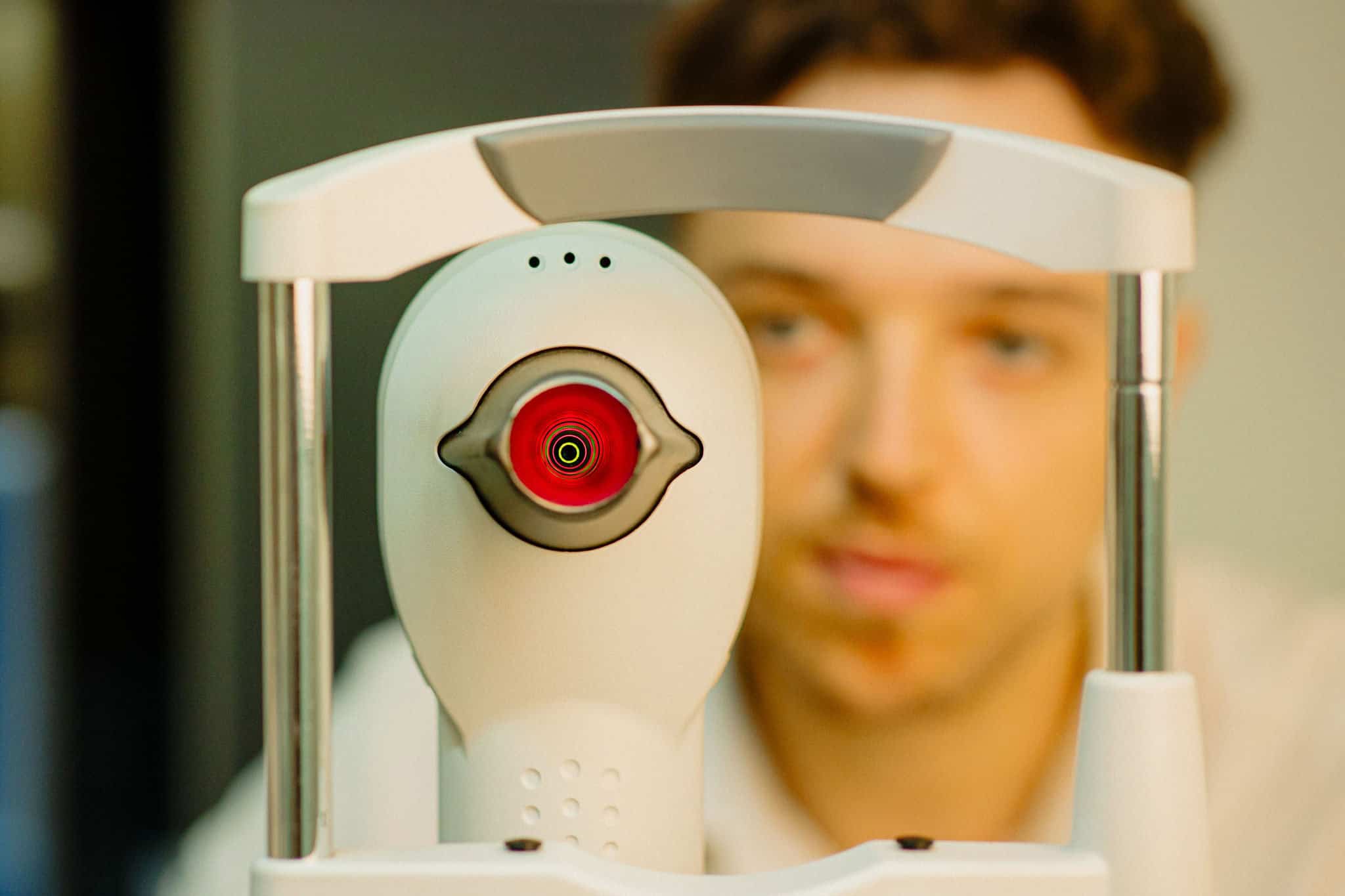
Your tears play an important role in keeping the surface of your eye smooth and clear. If your tear quality is poor, the tear film breaks up quickly, leaving irregular dry patches on your cornea (the clear front “window” of the eye). This can lead to fluctuating vision, where blinking temporarily clears your sight.
Poor tear quality is often the reason eyes water excessively, become irritated, or remain constantly red.
At Canon Street Optometrists, we use multiple methods to analyse tear surface quality as part of a comprehensive dry eye evaluation.
Treatment Options for Dry Eye Syndrome
IPL – Intense Pulsed Light
Many common treatments for Dry Eye Syndrome, such as artificial tears, hot compresses, and eyelid scrubs, focus on temporarily relieving symptoms rather than treating the underlying cause of the condition.
IPL therapy is designed to address the Meibomian Gland Dysfunction (MGD), which is one of the leading causes of evaporative dry eye. By treating MGD, your optometrist can address the underlying inflammatory process and provide longer-lasting symptomatic relief.
If you have tried various forms of treatment for dry, irritated eyes with little success, it may be worthwhile consulting one of our optometrists to see whether IPL therapy is suitable for you.
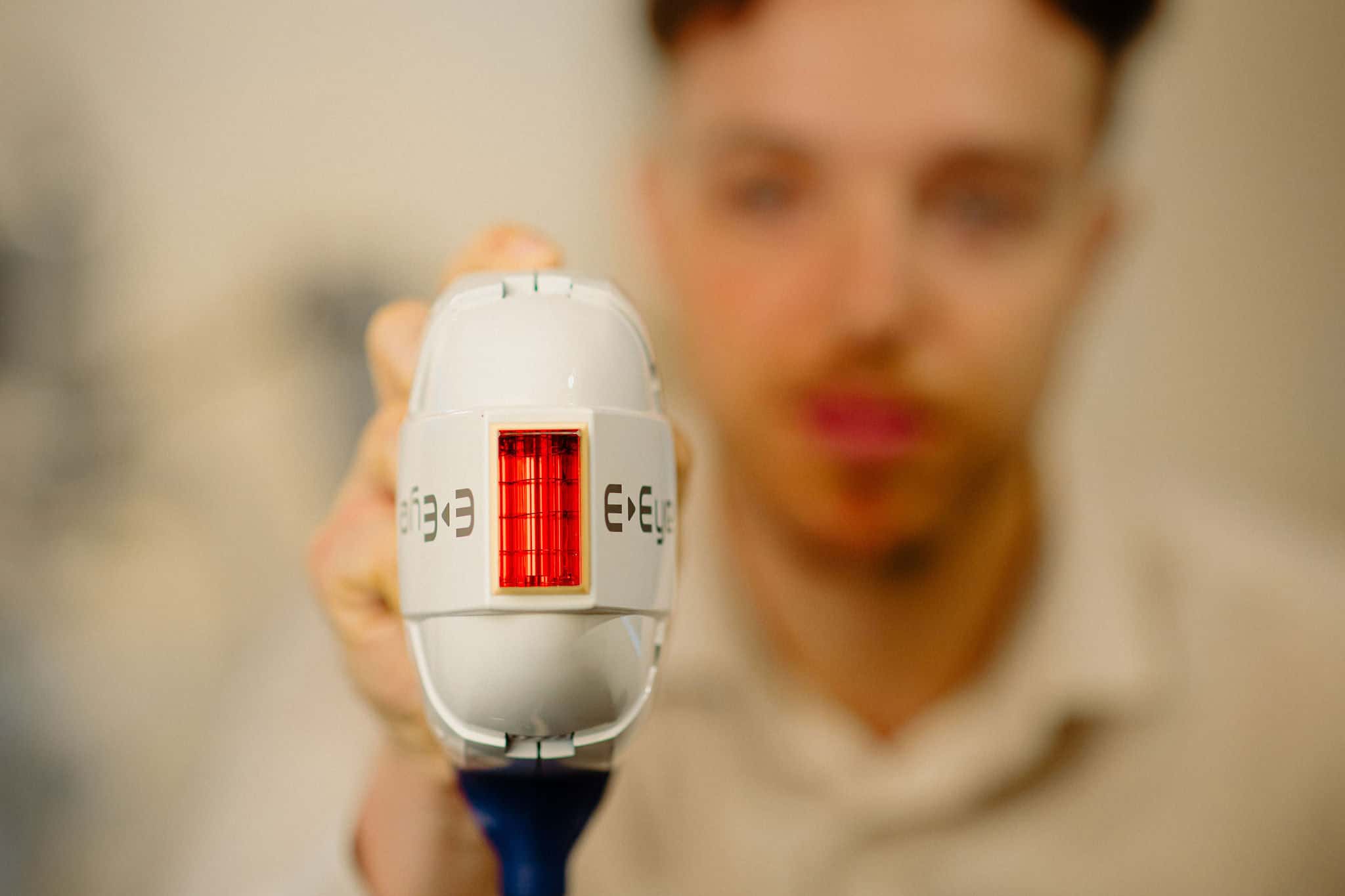
The E-Eye is an IPL device that delivers precise pulses of light in a controlled, uniform sequence. The light energy, wavelength spectrum, and pulse duration are carefully regulated to stimulate the Meibomian glands and support the restoration of their normal function.
Clinically tested and medically certified
The E-Eye is manufactured in France and carries Medical CE certification.
Further Treatments for Dry Eye Syndrome
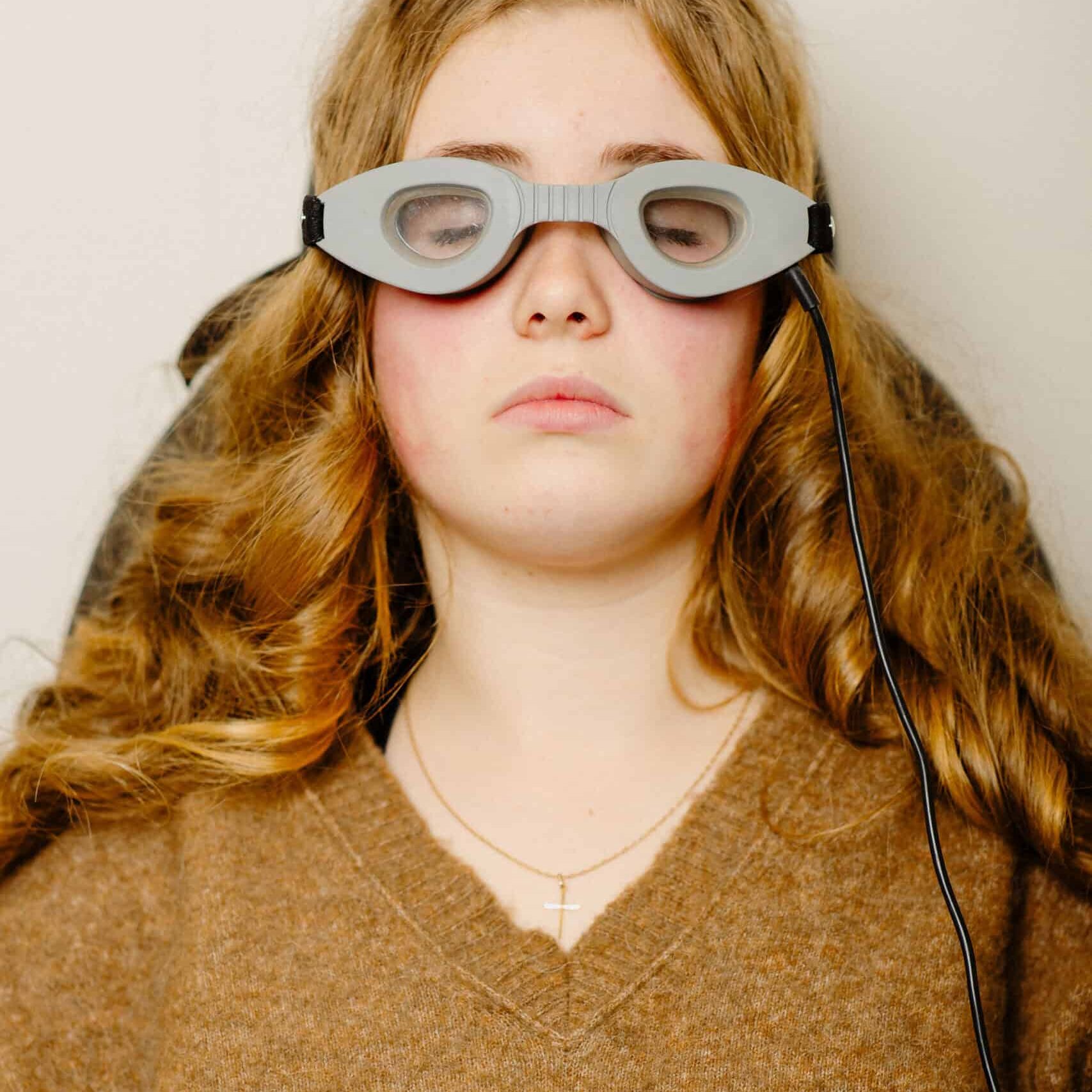
Blephasteam
Blephasteam goggles deliver controlled moist heat directly to the eyelids, helping to melt the thickened oils within the Meibomian glands.
Studies have shown that the glands need to be heated to approximately 40°C in order for blocked oil secretions to change from a solid to a liquid state. This is often accompanied by an in-office squeezing of the meibomian glands, to encourage them to flow.
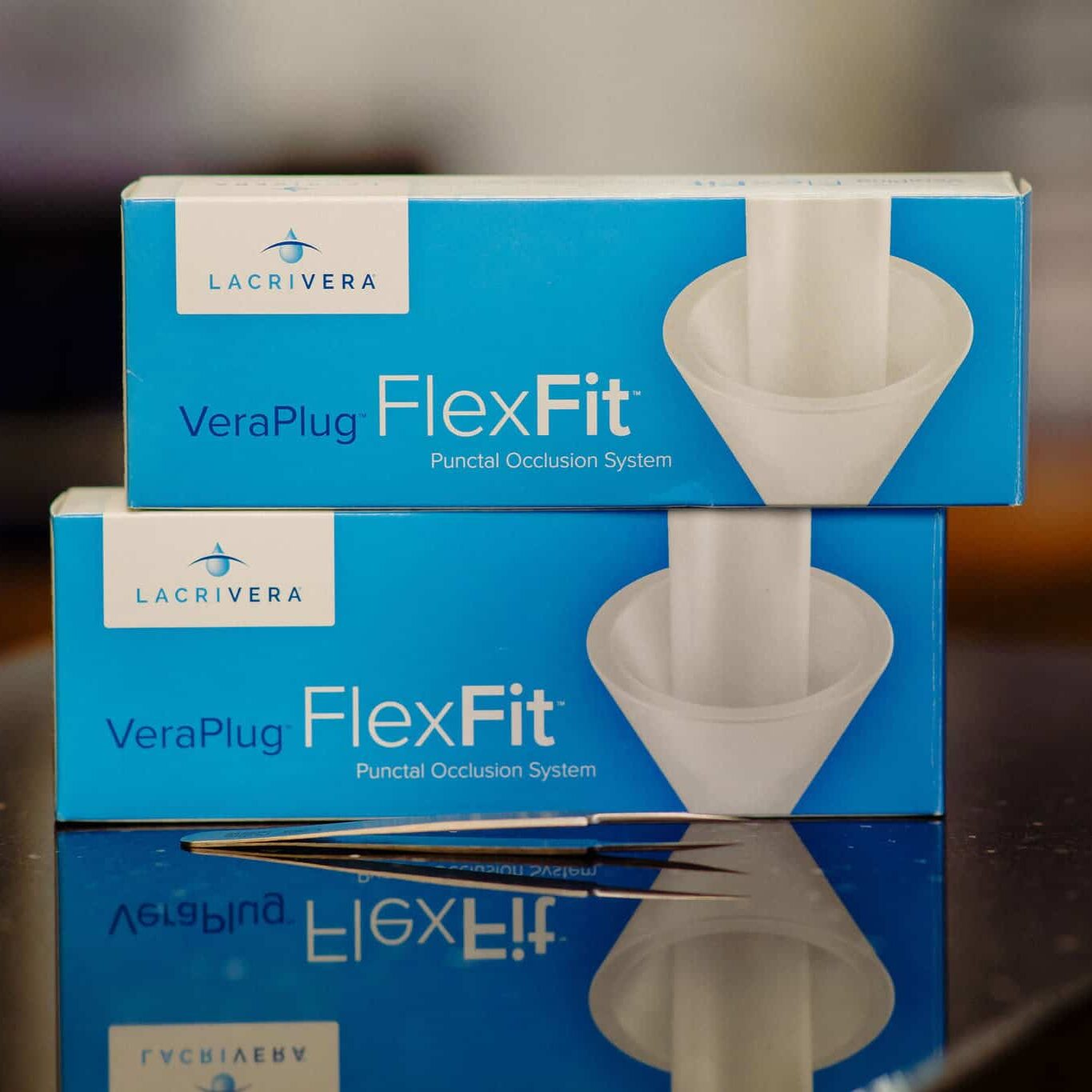
Punctal Plugs
A punctal plug (also known as a tear duct plug or lacrimal plug) is a small medical device inserted into the tear duct to reduce tear drainage.
These are especially effective for patients whose eyes do not produce a sufficient volume of tears. By slowing tear drainage, punctal plugs help retain moisture on the eye surface for longer.
At Canon Street Optometrists, we generally trial a dissolvable collagen plug before considering a longer-term option.
Artificial tears are still often required following punctal plug insertion.

Tablets and Drops – Over-the-Counter and Medicated
Eye lubricants are available as drops or ointments and are used to keep the eyes moist and reduce symptoms such as burning, itching, and the sensation of something being in the eye. They are commonly referred to as artificial tears.
Our optometrists are also able to prescribe medicated eye drops when appropriate.
Because dry eye often has an inflammatory component, prescription medications may help improve comfort and reduce inflammation.
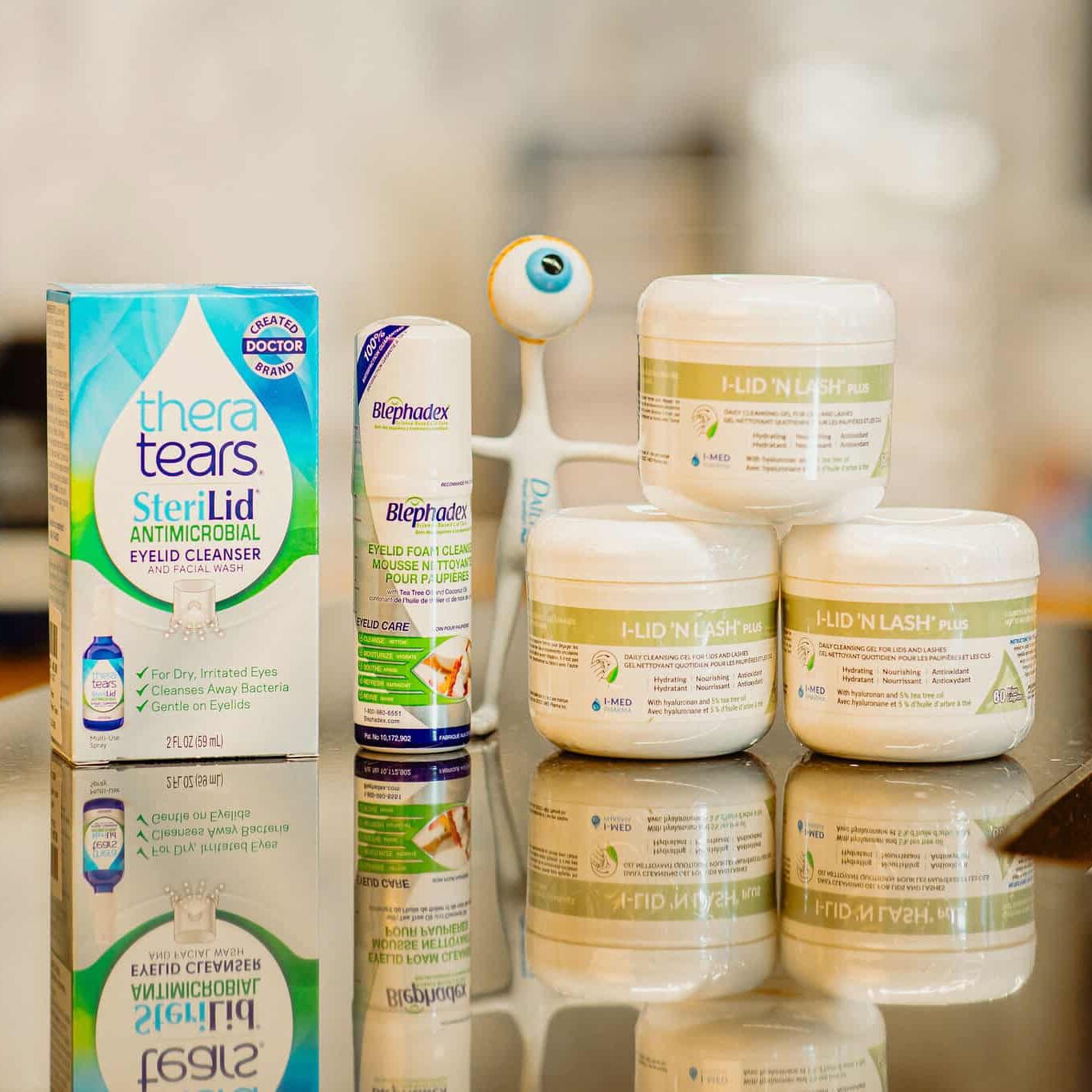
Lid Hygiene
Gently cleaning the eyelids helps remove biofilm, debris, and excess bacteria from the lid margins.
Your optometrist may recommend a daily routine involving warm compresses and lid scrubs to reduce bacteria and Demodex mites around the eyelids.
Cleaning products are available as pads or foams, and your optometrist will advise which option is most suitable for your condition.
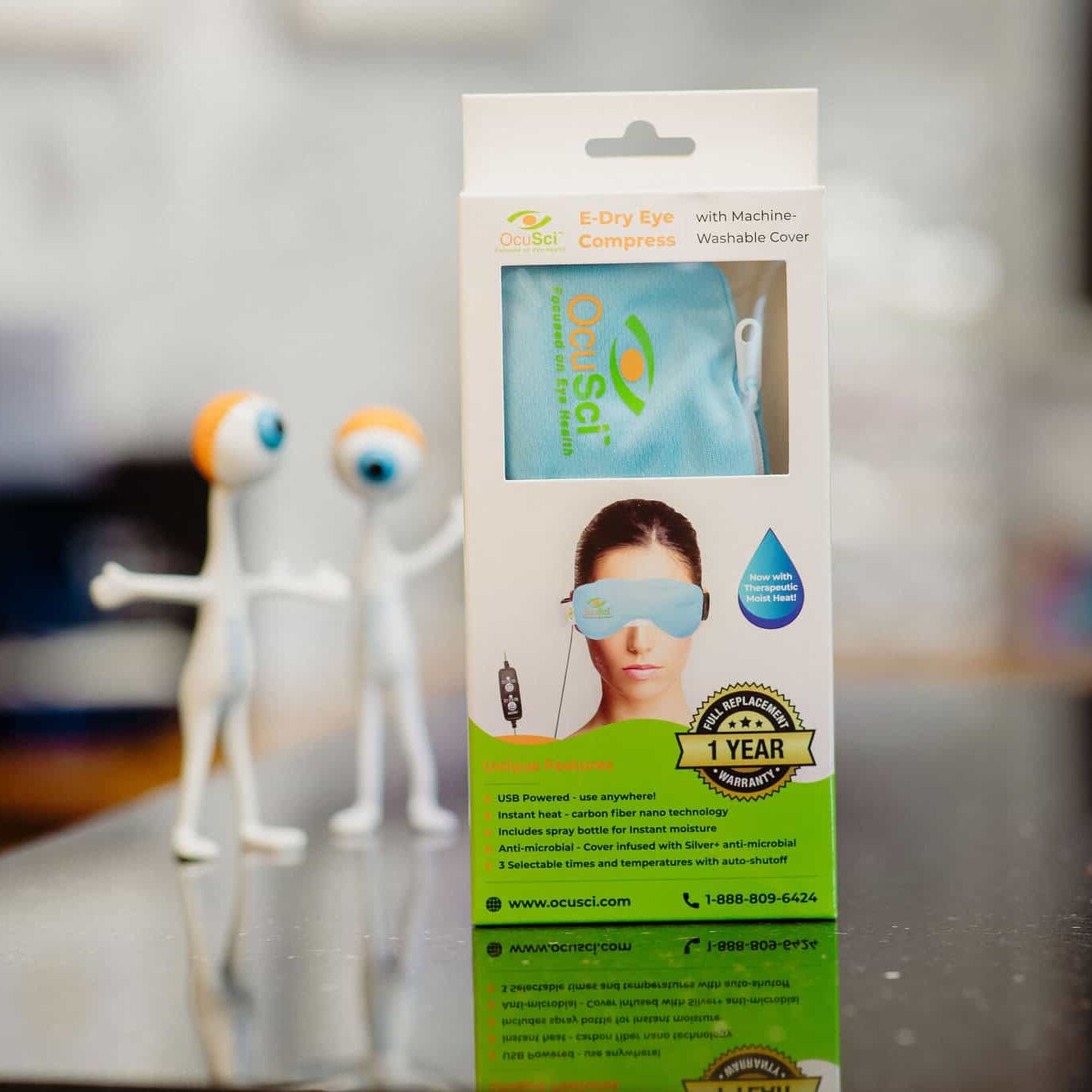
Sleep Goggles
Sleep goggles are padded with comfortable memory foam and help protect the eyes from drafts, dust, and low-humidity environments — all of which can contribute to dry eye symptoms.
The goggles include removable moisture pads that can be soaked in warm water before sleep to provide soothing moist heat therapy for tired, irritated eyes.
For migraine relief or puffiness, the pads can also be chilled in the fridge or freezer for cooling therapy.
The goggles additionally create total darkness, which may help support melatonin release and improve sleep quality.
Whether at home or travelling, sleep goggles can be a useful adjunctive treatment for dry eye management.
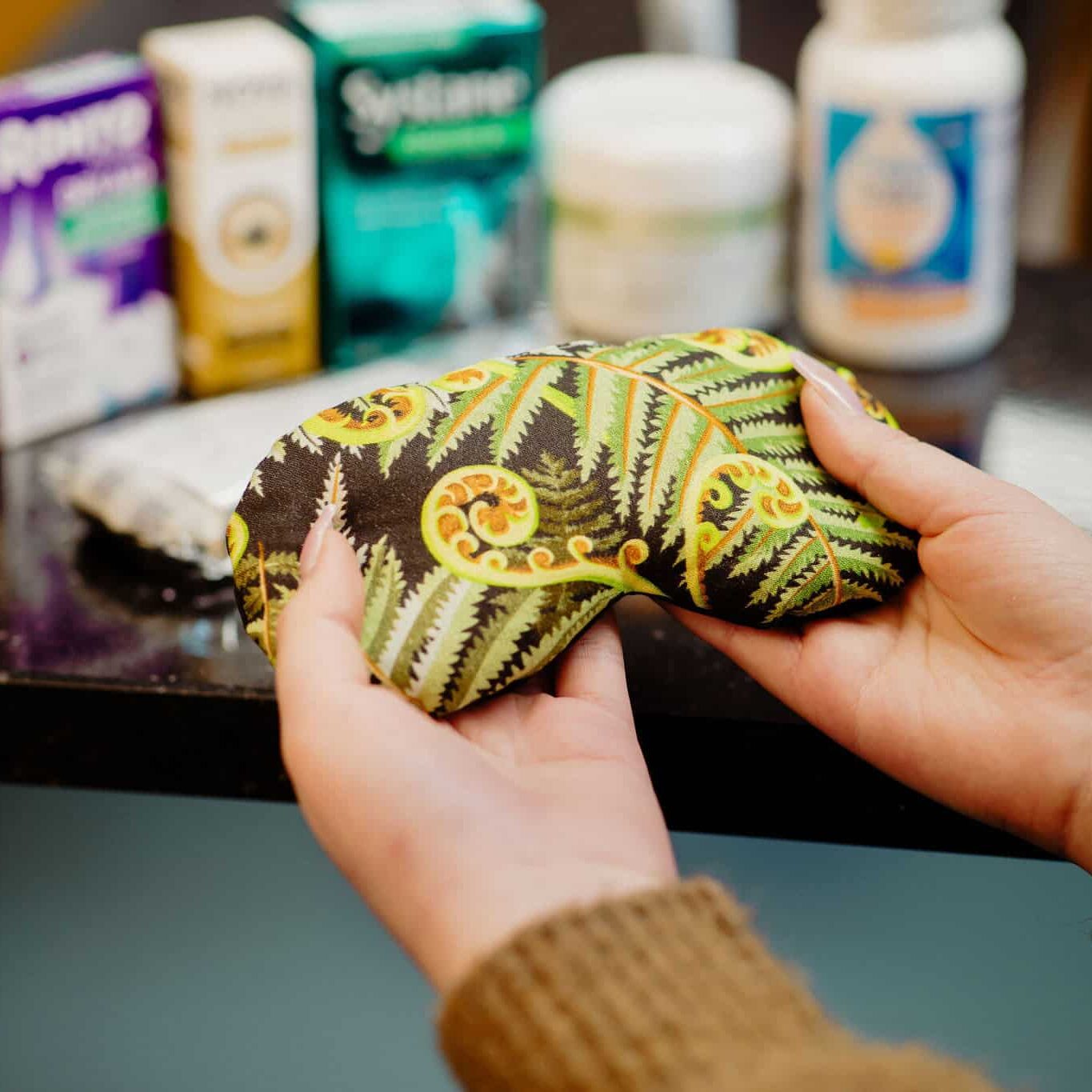
Wheat Bags
Heat can be beneficial in dry eye treatment because it helps liquefy the oils within the Meibomian glands.
An eye mask wheat bag can be heated at home and placed over closed eyes for 5–10 minutes. After warming, gentle eyelid massage may help express blocked glands. The eyelids can then be cleaned using a lid wipe or cotton bud.
Wheat bags are commonly used in the treatment of:
- Meibomian Gland Dysfunction (MGD)
- Blepharitis
- Dry eye
- Styes (blocked glands)
The eye pack can also be cooled in the fridge or freezer to help relieve allergic eye symptoms.
If you would like to learn more about dry eye assessment or treatment options, please contact us.