

Lighting
Good lighting is one of the simplest and most effective ways to improve vision for people living with low vision. In many cases, better lighting can make reading, cooking, sewing, writing and other everyday tasks easier and more comfortable.
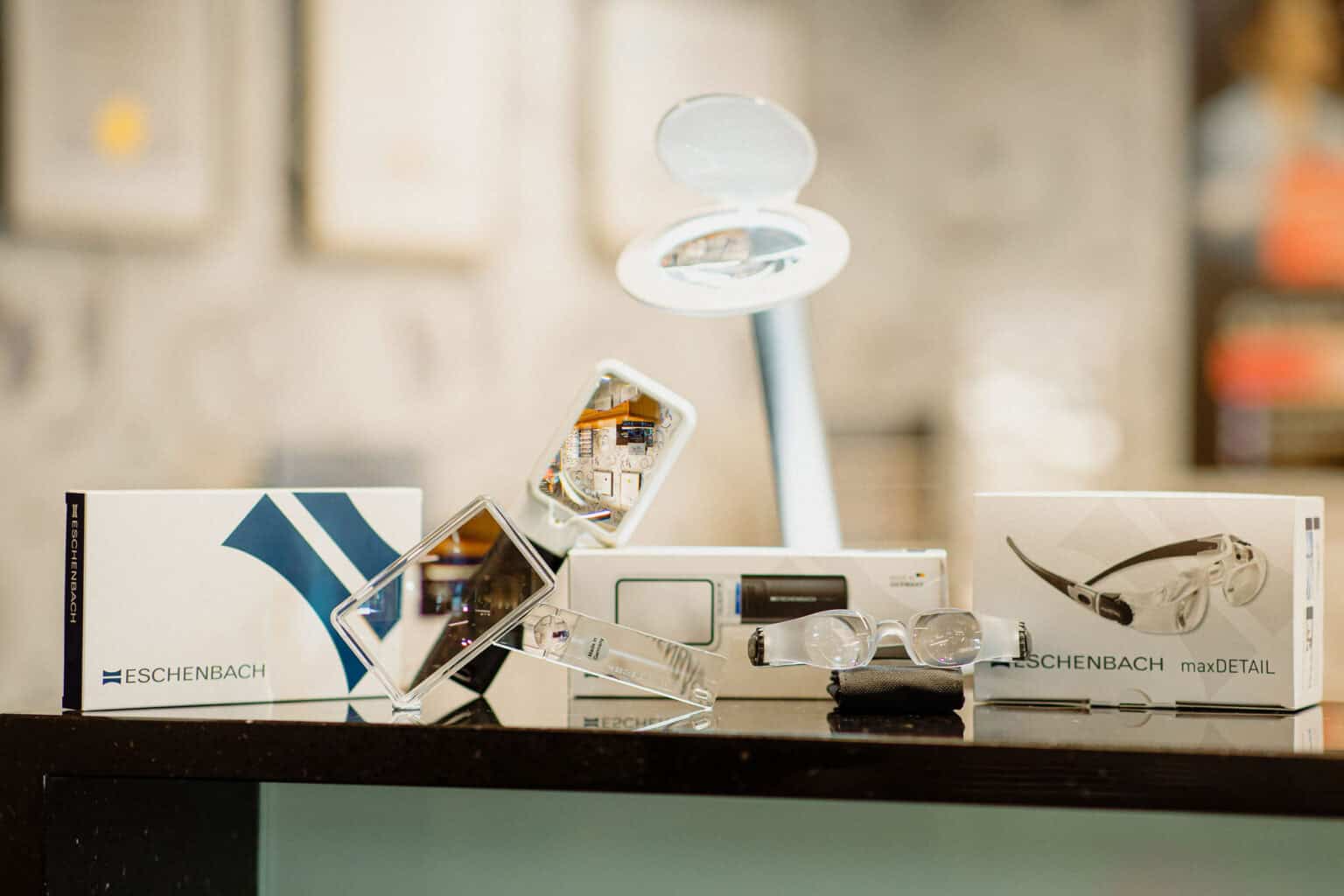
Types of lighting
As we age, our eyes require more light to see clearly. Certain conditions such as macular degeneration can further reduce the amount of useful visual information from reaching the eye. Optimising lighting can help people with low vision make the most out of their remaining vision.
There is no single lighting solution that works for everyone. Some people benefit from brighter, focused task lighting, while others are particularly sensitive to glare and require softer, diffused illumination. The ideal lighting setup depends on your eye condition, the activities you perform and the environment you're in.
Types of lighting
- Task Lighting (e.g. Floor lamps, desk lamps) - provides bright, focused illumination for activities such as reading, writing, crafts etc.
- General Room Lighting - Evenly distributed, consistent lighting throughout a room reduces shadows and improves overall visibility. Multiple light sources often provide better results.
- LED Lighting - Modern LED lighting offers bright, energy-efficient illumination with excellent colour rendering. Often have adjustable brightness control/colour temperature.
Practical Tips Around the Home
- Use a task lamp when reading, and position it over your shoulder pointing directly at your reading material
- Use bright lighting when reading medication labels, recipes or instructions
- Improve lighting in hallways and staircases to reduce trip hazards.
Keep windows and light fittings clean to maximise available light. - Try to minimise glare wherever possible
Increase font size on devices, increase screen brightness, enable high-contrast mode if available
Lighting recommendations are most effective when they're tailored to your individual vision and lifestyle. If you want to find out more, please contact our practice or book for a low vision consultation.