

Understanding Glaucoma
Glaucoma is often called the “silent thief of sight” because it can damage vision slowly and painlessly in the early stages, with little or no symptoms at first.
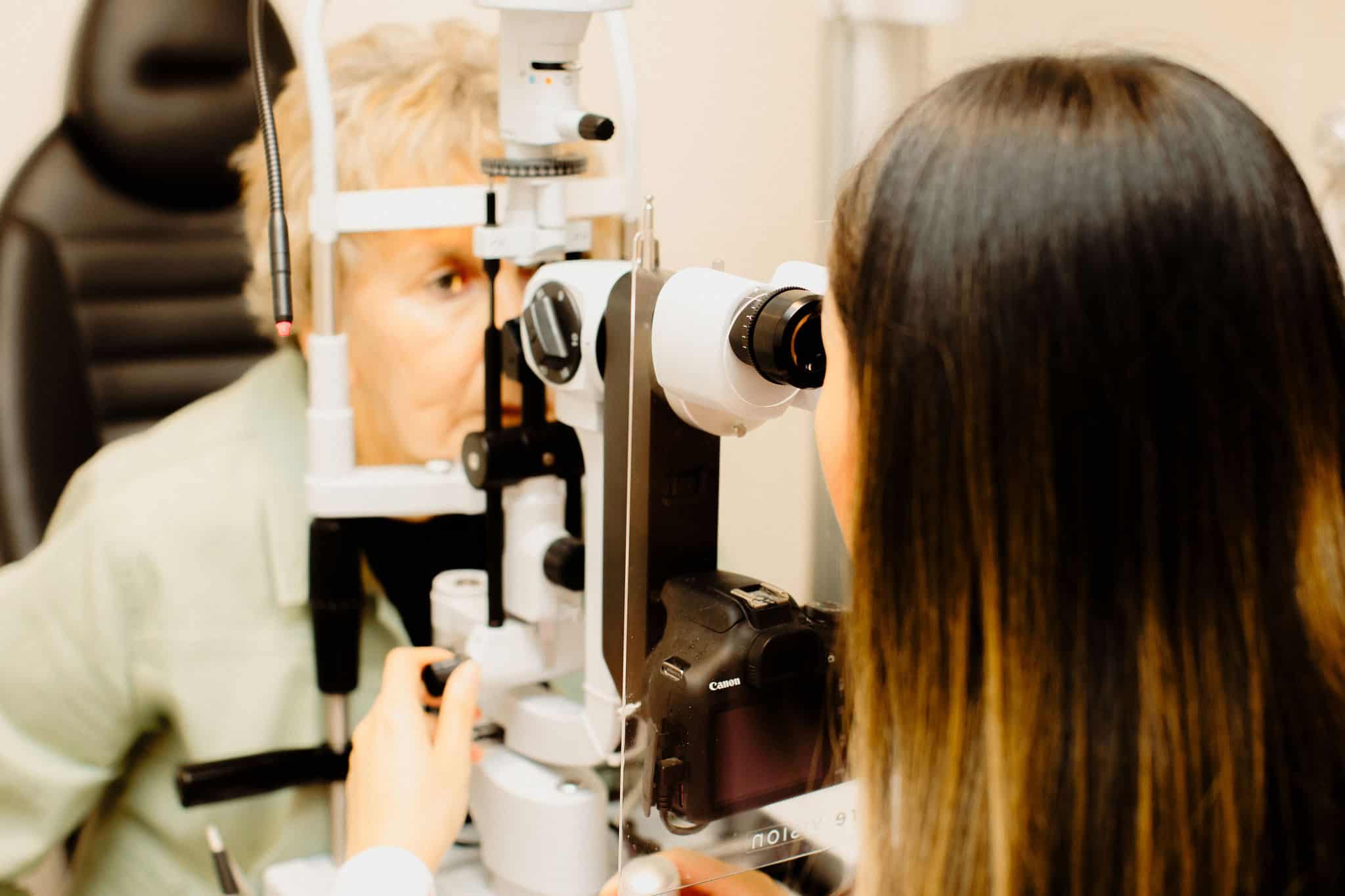
What is Glaucoma?
Glaucoma is often called the “silent thief of sight” because it can damage vision slowly and painlessly in the early stages, with little or no symptoms at first.
It affects the optic nerve at the back of the eye, which carries visual signals to the brain, and gradual damage to this nerve causes a slow loss of peripheral (side) vision.
Because glaucoma typically starts in your side vision, many people do not notice any change until the disease is more advanced. Regular eye examinations are the best way to detect glaucoma early to preserve sight.
Who is at higher risk?
Your risk of developing glaucoma is higher if you have:
- Increasing age
- A family history of glaucoma
- Raised eye pressure
- High or low blood pressure
- Migraines or other vascular issues
- Short-sightedness (myopia)
- Long-term use of steroid medications
If any of these apply to you, it is especially important to have regular, comprehensive eye examinations.
Glaucoma treatment at Canon Street
Two of our optometrists, Martina Fellmann and Vlad Zorzoliu are accredited to treat glaucoma with medicated eye drops where appropriate. All of our optometrists routinely check for signs of glaucoma during eye examinations, and will discuss any concerns, tests or treatment options with you. If you have questions about your risk or your results, just ask your optometrist at your next visit.
You can read more about what to expect on our page about glaucoma examinations and treatment.