

Understanding Diabetic Retinopathy
Diabetic retinopathy is an eye condition that can occur in people with diabetes when high blood sugar levels damage the retina, the light-sensitive tissue lining the back of the eye.
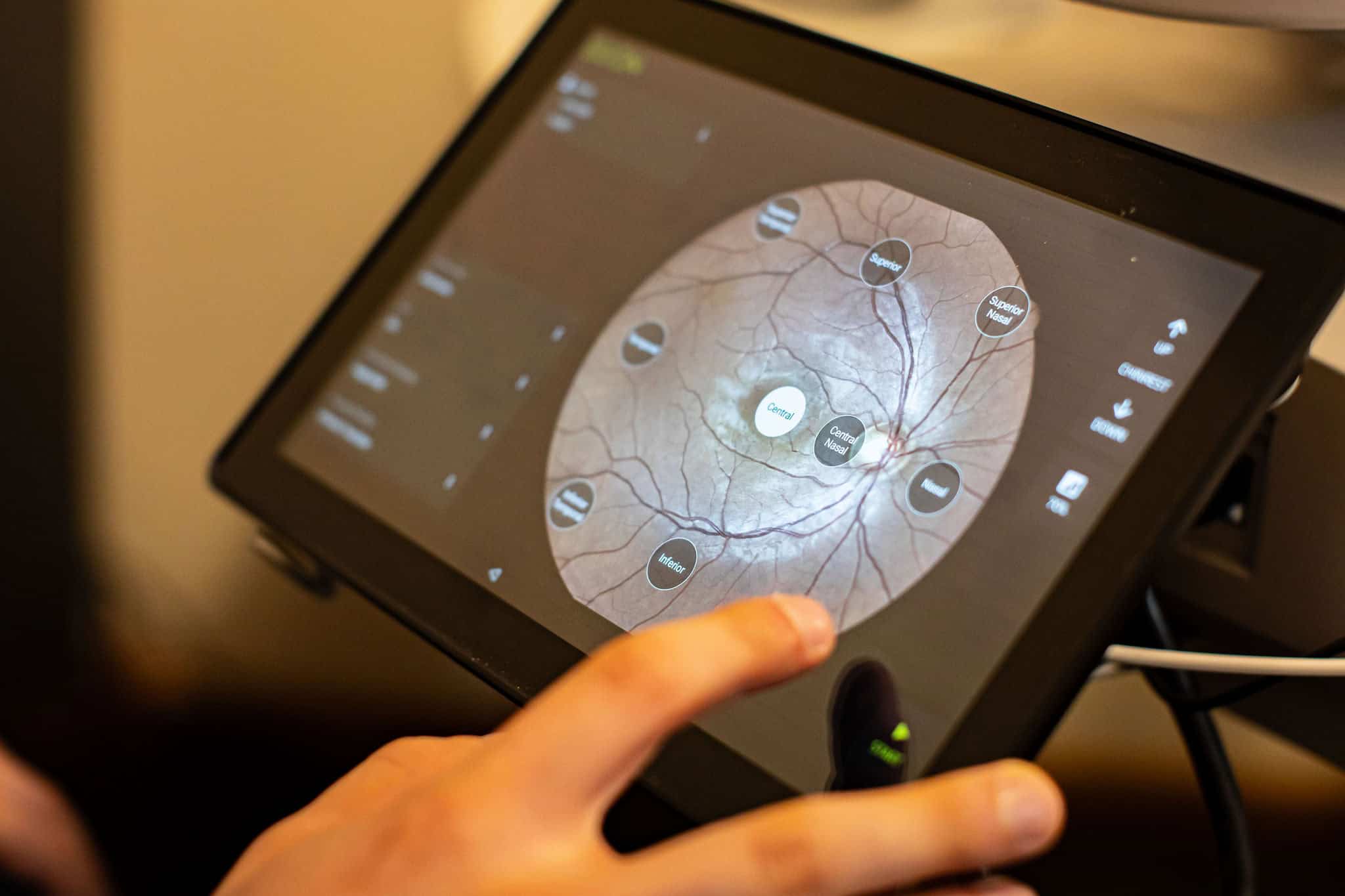
What is Diabetic Retinopathy?
In some people with diabetic retinopathy, blood vessels may swell and leak fluid. In others, abnormal new blood vessels may grow on the surface of the retina. These changes can lead to vision problems and, in some cases, permanent vision loss if left untreated.
Diabetic retinopathy often does not cause noticeable vision changes in its early stages. However, over time it can progress and affect sight. It usually affects both eyes.
Identifying the Common Symptoms of Diabetic Retinopathy
Symptoms of diabetic retinopathy:
- Seeing spots or floaters in your field of vision
- Blurred vision
- Having a dark or empty spot in the centre of your vision
- Difficulty seeing well at night
People who maintain a healthy lifestyle and control blood glucose levels are less likely to develop diabetes-related retinopathy. However, it is very important that people with diabetes see their optometrist regularly for an assessment of their eye health. With annual screening, any threats to sight that do develop can be detected and treated promptly minimising the risk of permanent loss of vision.
Elevated blood sugar levels are also more likely to contribute to the formation and progression of cataracts.
If our optometrists believe you may be at risk of certain eye conditions such as glaucoma, macular degeneration, or diabetic eye disease, they may recommend an OCT scan. OCT (Optical Coherence Tomography) is a quick, non-invasive scan that provides detailed images of the retina and optic nerve, helping with the early detection and monitoring of eye disease.
Depending on your examination findings, dilating eye drops may also be recommended to allow a more thorough assessment of the retina.
Early detection and regular monitoring are key to protecting your vision and maintaining long-term eye health for people living with diabetes.